content

Discover the City of Arts and Sciences

Science, nature and art in a complex devoted to scientific and cultural dissemination in Europe, placed in Valencia.

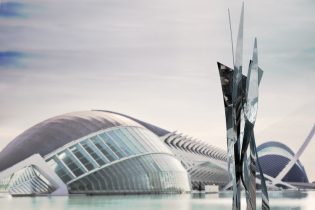
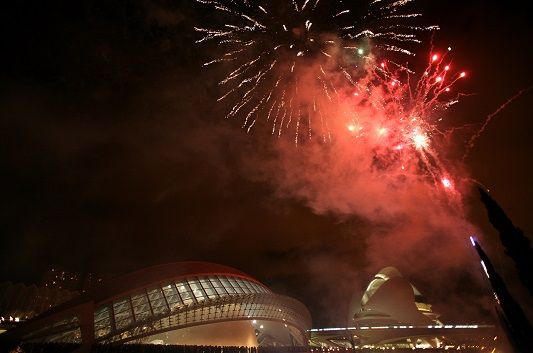
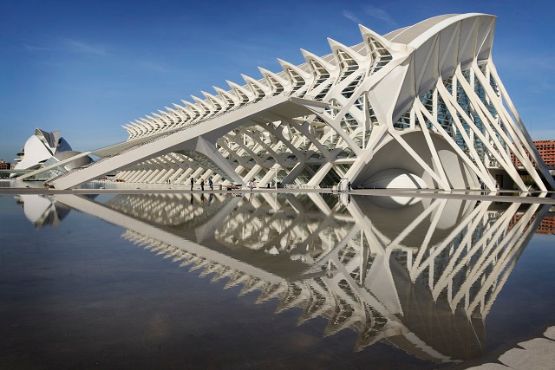
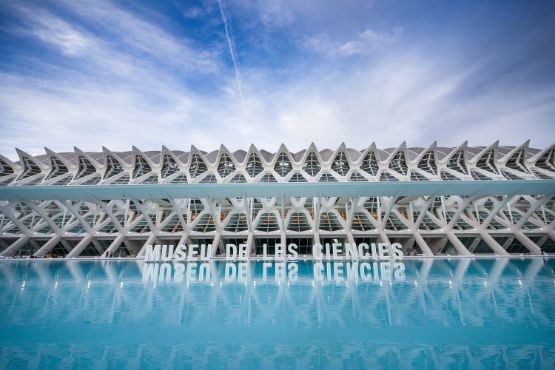
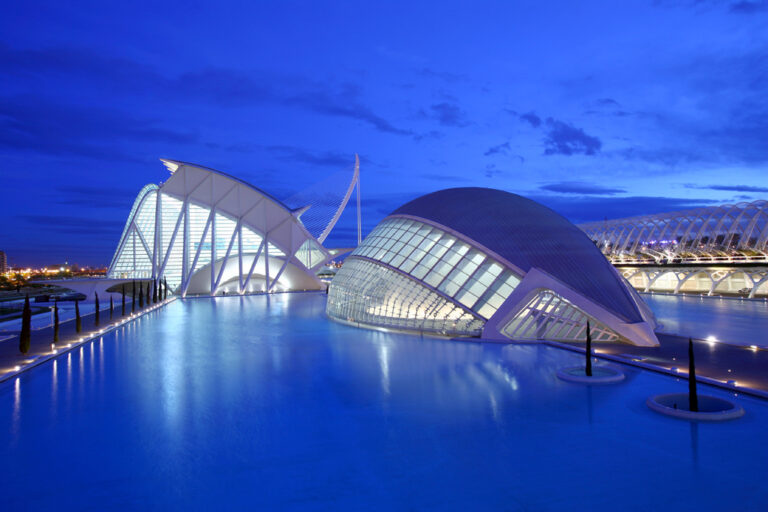
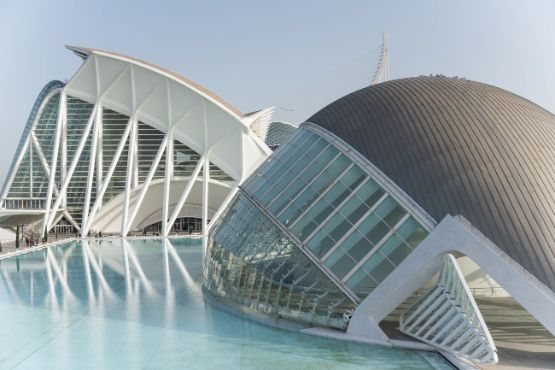
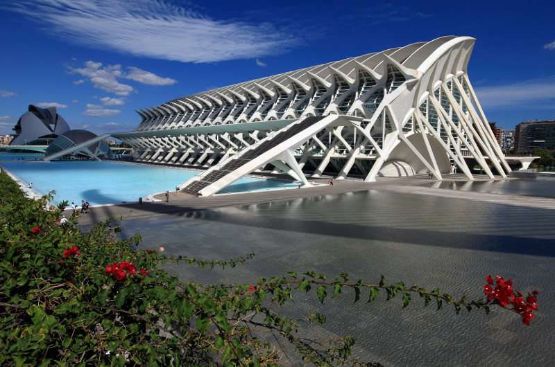
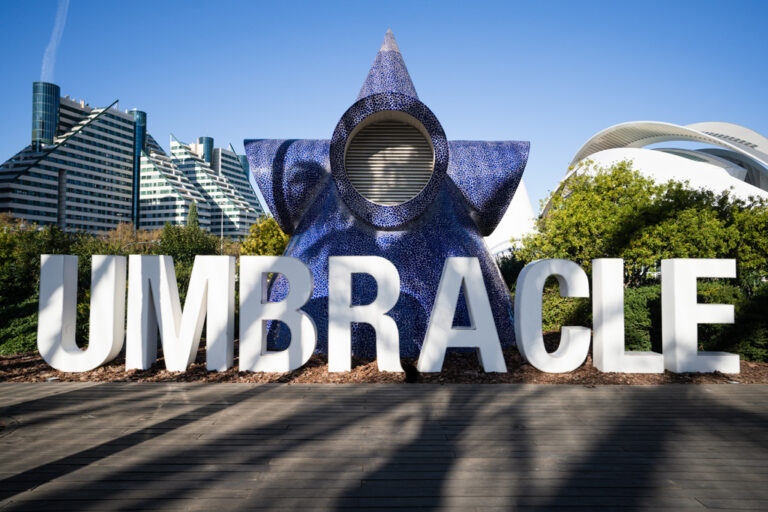
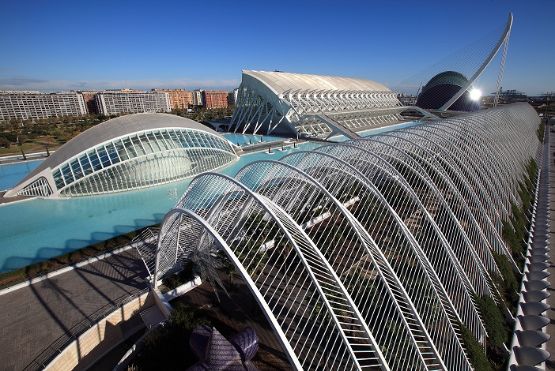
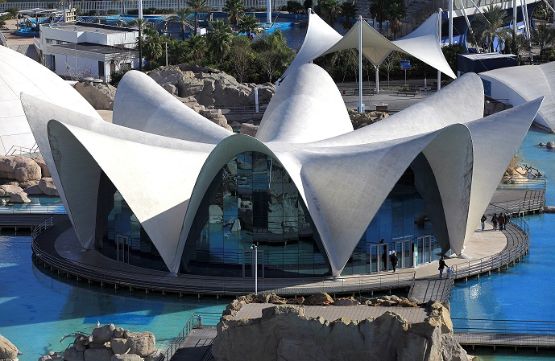
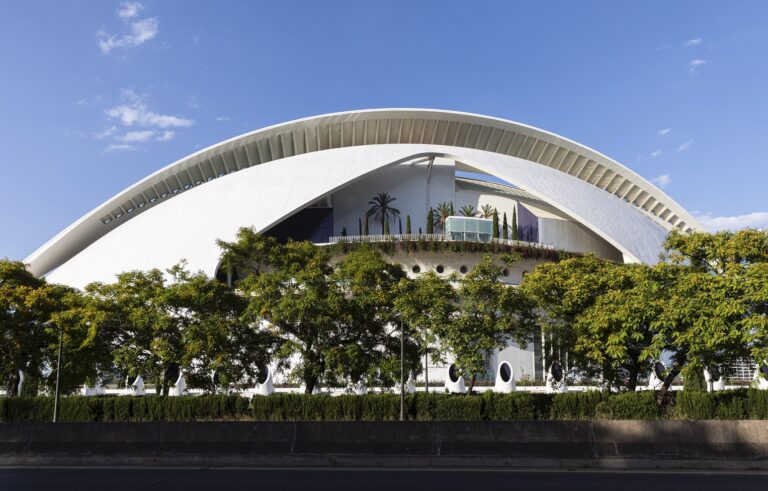
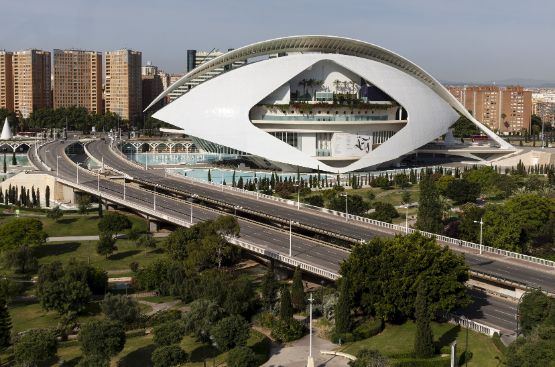
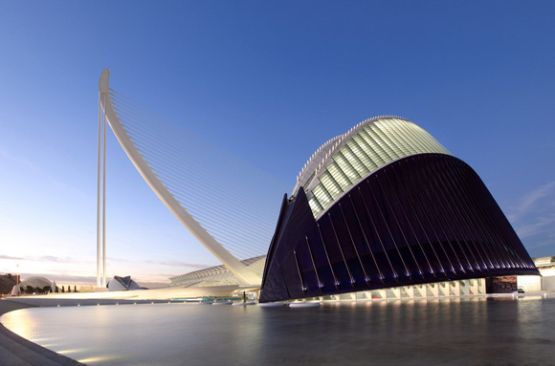
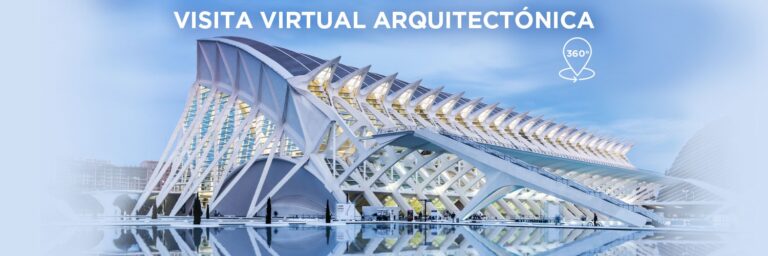
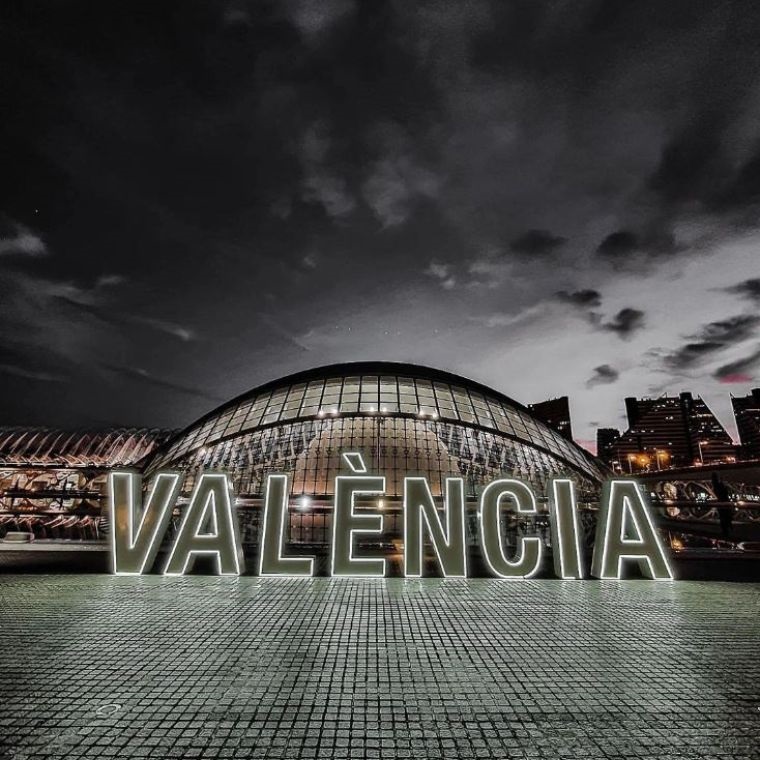
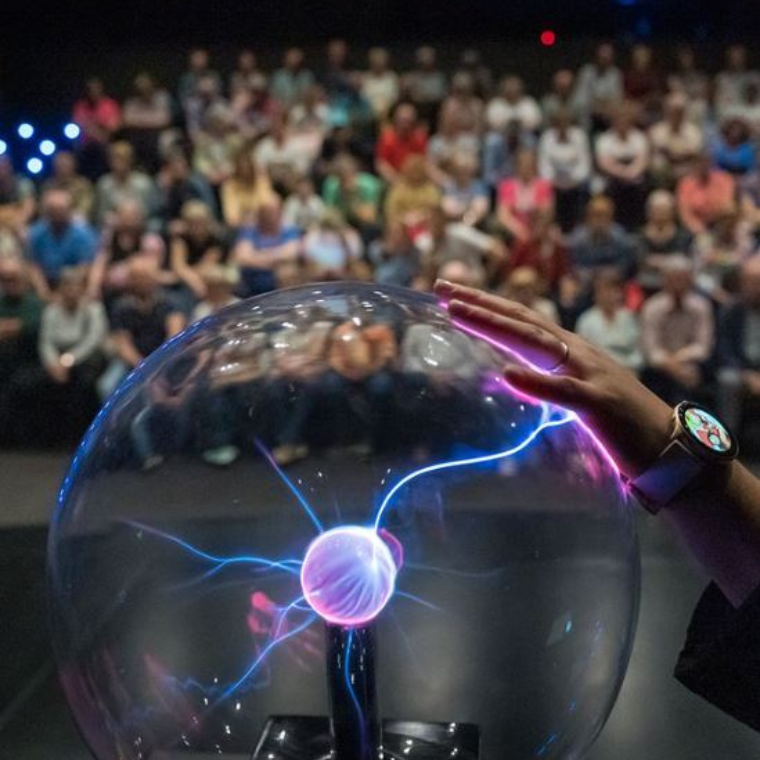
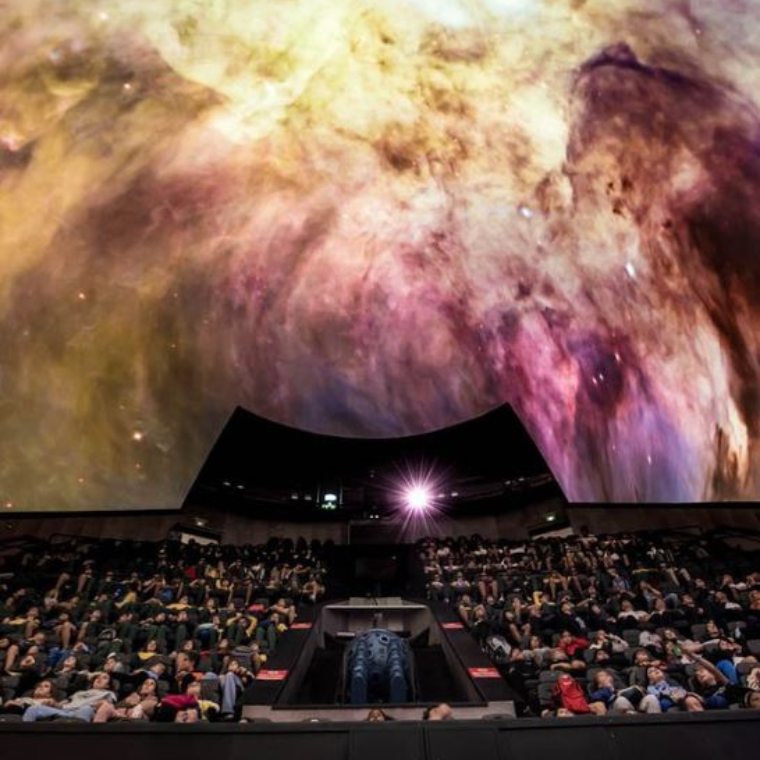
The City of Arts and Sciences is a unique complex devoted to scientific and cultural dissemination which is made up of five main elements: the Hemisfèric (IMAX cinema and digital projections), the Umbracle (a landscaped vantage point and car park), the Príncipe Felipe Science Museum (an innovative centre of interactive science), the Oceanográfico (the largest aquarium in Europe with over 500 marine species) and the Palau de les Arts Reina Sofía (which takes care of the operatic programme). The Ágora, which will give the complex a multifunctional space, is under construction.

Play Watch the presentation video

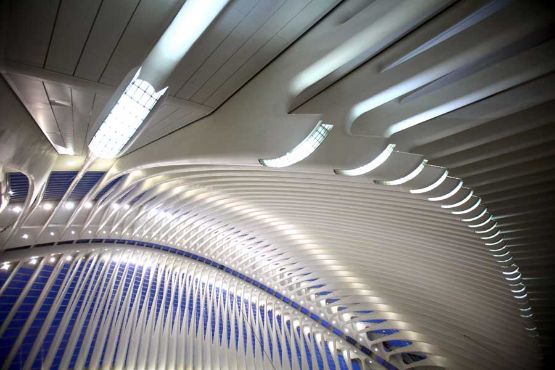
Along an axis of just under two kilometres that was formerly the bed of the River Turia, this complex promoted by the Generalitat Valenciana has striking architecture - designed by Santiago Calatrava and Félix Candela - and an endless capacity for entertaining and stimulating the minds of its visitors. In its various buildings they can get to know different aspects of science, technology, nature, and art.

more info

VISIT THE WEB TV

Discover the best videos of the City of Arts and Sciences

Online TV Channel of the City of Arts and Sciences

Cumple+diver

Celebrate your birthday party at the Hemisfèric and the Museum

Birthday at the City of Arts and Sciences

Highlights at the City of Arts and Sciences

Check out all our outstanding activities, exhibitions, projections and workshops in a single place.

Picture: Exoplanets and and observation of the moon
Activity

Exoplanets and and observation of the moon

The search and study of planets that are out of the solar system will be the topic that the doctor Ignasi Ribas will broach in his lecture next Monday November, 23 in the programme ¿Astronomy at the Ciudad de las Artes y las Ciencias¿. An Observation of the moon three days after it is new completes the session in the Science Museum, of free access previous inscription.

Picture: Antarctic Marine Biodiversity

Antarctic Marine Biodiversity

Winds of 300 km per hour, - 89 ºC, and yet there are up to 8,000 different known species in Antarctica, according to Josep María Gili, from the Institute of Sea Sciences of Barcelona. The researcher will explain this topic next 10th December at the lecture Antartic Marine Biodiversity: Why is There a Jungle Beneath a Desert of Ice? This event, to be held in the Museum, is the first of a whole programme organized for the International Year of Biodiversity. Free entry.

Picture: Discover the sharks in 'The Oceanogràfic's Tuesdays'
Activity

Discover the sharks in 'The Oceanogràfic's Tuesdays'

They are one of the zoological groups with the diversity and population more reduced and that major implications have on the correct balance of the ecosystems. The series of conferences 'The Oceanogràfic's Tuesdays' dedicates its sixth edition to the biology, conservation and management of populations of sharks, with the participation of world experts in these creatures.
Picture: New Programme
Recents Events

New Programme

View the City of Arts and Sciences programme for this new season, recycles your knowledge and don't miss the Science Museum exhibitions and its scientific animations, the IMAX film 'Wild Ocean' and the planetari 'Evolución' of the Hemisfèric and the Oceanogràfic latest ideas.

Play Watch related video